
Brandable vs Keyword Domains: 7 Tips to Choose the Best
Your domain name is the first thing many people see, and it is one of the hardest things to change later. That is why the debate over brandable vs keyword domains matters more than it looks. One side says a clear, descriptive name tells visitors what you do in a second. The other says a fresh, memorable name builds a brand that lasts. Both sides have a point, and the right answer depends on your goals, your budget, and how you plan to grow. This guide explains how each type works, where each one shines, and how to decide without second-guessing yourself for weeks.
Brandable vs Keyword Domains: What Sets Them Apart
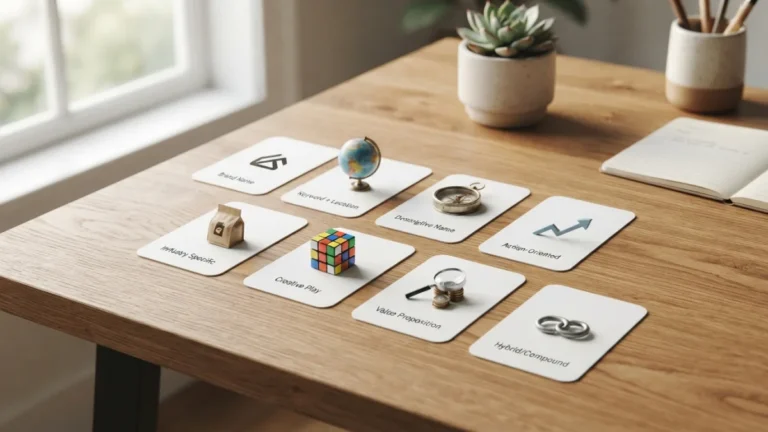
A keyword domain uses words people already type into search engines, such as a product, a service, or a city. A brandable domain is usually a made-up, blended, or unusual word that stands for your business without describing it. Think of a name that sounds like a company first and a category second. The real difference is the job each name does. A keyword name explains. A brandable name represents. The table below gives a quick side-by-side view before we look at each option in more detail. If you want to dig deeper, our guide on Choose a Domain Name: 10 Simple Rules for a Strong Brand covers this in more detail. This is a common part of dealing with brandable vs keyword domains, and it is worth keeping in mind.
| Factor | Brandable domain | Keyword domain |
|---|---|---|
| Clarity at first glance | Low until people learn your brand | High, since the name describes the offer |
| Memorability | Often strong if short and distinctive | Can blur with competitors |
| Availability | Easier to find something unique | Good names are often taken or costly |
| Room to grow | Flexible if your business changes | Can feel limiting later |
| Trademark protection | Usually easier to protect | Generic terms are harder to protect |
Brandable Domain Examples You Already Know
Brandable domain examples are all around you. Google, Spotify, Canva, and Shopify are names that meant little or nothing as everyday words when they launched. Each company filled its name with meaning through product quality, advertising, and years of use. Today, nobody needs the name to explain the business. On the other side, Cars.com, Hotels.com, and Weather.com show how a plain keyword name can work when it is short, clean, and matches a broad category. The lesson is simple. Both styles can win, but they win in different ways. A brandable name asks you to build the meaning. A keyword name borrows the meaning that already exists. Many people run into this exact issue with brandable vs keyword domains at some point.
Keyword Domain Advantages Worth Knowing
The main keyword domain advantages come down to clarity and trust at first contact. When someone sees a name like “bestrunningshoes” in a search result or on a shared link, they know what to expect before they click. That can help a small, unknown site earn early clicks. Keyword names also make sense for local services, niche blogs, and affiliate or review sites where the topic is the pitch. They can be easy to describe over the phone, too. Anchor text from other sites may naturally include your topic words if the domain is used as the link text. The catch is that strong keyword names are rare, and the best ones often cost a lot. Keeping brandable vs keyword domains in mind here will save you time later on.
Exact Match Domain SEO: Helpful or Outdated?
Many people still ask about exact match domain SEO, meaning a domain that matches a search phrase word for word. In the past, this trick could lift weak sites in search results. Google responded, and in 2012 it rolled out an update aimed at low-quality exact match domains. Today, Google’s own SEO Starter Guide puts the focus on helpful content, clear site structure, and good user experience, not on stuffing a search phrase into your web address. A keyword in your domain may help people understand your topic, but it will not save thin content. Rankings come from quality, links, and usefulness. The domain plays a small supporting role at best. This detail matters more than it seems once brandable vs keyword domains comes up again.
Brandable Domain Disadvantages to Weigh
The biggest brandable domain disadvantages show up in the early days. A new, invented name tells visitors nothing, so you must explain yourself through design, taglines, and content. Spelling can cause trouble, too. If people hear your name and type it wrong, they may land on someone else’s site. Marketing often costs more at the start, because you are teaching people a new word. Here are the most common risks: This connects closely with another common issue — see Domain Name Affect SEO? 7 Mistakes to Avoid in 2026 for more on that. It is one of those small things that makes brandable vs keyword domains easier to manage overall.
- No built-in meaning: visitors cannot guess your topic from the name alone.
- Spelling confusion: creative spellings can send traffic to the wrong place.
- Slower recognition: it takes time and effort to make the name familiar.
- Weak search cues: you rely fully on content and promotion to signal your topic.
How to Choose a Domain Name: 7 Practical Tips
Now for the practical part. Whether you lean toward a brandable name or a keyword name, these seven tips will help you make a smart, confident call. Work through them in order, and keep a short list of three to five candidates as you go. Do not fall in love with a single name too early. The best choice is usually the one that passes every test, not the one that simply sounds clever on day one. This is a common part of dealing with brandable vs keyword domains, and it is worth keeping in mind.
Tip 1: Define Your Goal and Audience First
Start with what you want the site to do. A local plumber needs customers who search for plumbing help, so a clear, descriptive name can work well. A startup that plans to add new products needs a name that can stretch. Write one sentence about who you serve and what you want them to remember. Then judge every name against that sentence. If a name fights your goal, drop it, no matter how catchy it sounds. A short planning step now can save you from a costly rebrand later. Many people run into this exact issue with brandable vs keyword domains at some point.
Tip 2: Keep It Short and Easy to Spell
Short names are easier to type, say, and recall. Aim for one or two words, and avoid hyphens, numbers, and unusual letter swaps. Each extra symbol gives people another chance to make a mistake. Try the “radio test”: say the name out loud to a friend and ask them to write it down. If they get it wrong, you have a problem. This test helps brandable and keyword names alike, because a clear name wins whenever people share it by voice, in a video, or in a podcast. Keeping brandable vs keyword domains in mind here will save you time later on.
Tip 3: Apply Domain Name Memorability Tips
Good names tend to follow a few simple habits, and these domain name memorability tips are easy to test. Choose a name with a clear rhythm, such as two syllables or a pair of short words. Use sounds that feel natural in your language. Avoid names that look like common words but are spelled differently. Ask five people to read your shortlist, then ask them the next day which names they still remember. The names that stick are your strongest options. Trust that simple feedback more than your own taste, because you already know too much about your project. You might also find our article on Premium Domain Name: 7 Proven Steps to Buy It Safely helpful here. This detail matters more than it seems once brandable vs keyword domains comes up again.
Tip 4: Run a Domain Name Trademark Check
A great name can turn into a legal headache if someone else already owns the rights. Before you buy, complete a domain name trademark check. In the United States, you can search the United States Patent and Trademark Office database for similar names in your field. Also search the web, app stores, and social platforms. Watch for names that sound alike or look alike, not only exact matches. If your plans are serious, consider asking a trademark attorney for advice. Owning a domain does not automatically give you the right to use the name as a brand. It is one of those small things that makes brandable vs keyword domains easier to manage overall.
Tip 5: Think About Domain Name Resale Value
You may never sell your domain, but it helps to think about domain name resale value from the start. Short names, common words, and clear category terms usually attract more buyers than long or odd ones. A .com extension is often the easiest to sell, though it is not the only choice. Keep in mind that resale is never guaranteed, and prices vary widely. Do not buy a name only as an investment unless you understand the market. Choose a name you would happily use yourself, and treat any resale upside as a bonus. This is a common part of dealing with brandable vs keyword domains, and it is worth keeping in mind.
Tip 6: Check Extensions and Social Handles
A name is only useful if you can use it everywhere. Check whether the .com is available, and think about whether a local or industry extension fits your audience better. Then search for matching usernames on the social platforms your customers use. Matching handles make your brand look consistent and help people find you. Avoid buying several confusing variations of the same name unless you plan to redirect them. If the .com is taken by an active business in a similar field, walk away. Sharing a name with a competitor invites confusion and lost traffic. Many people run into this exact issue with brandable vs keyword domains at some point.
Tip 7: Consider a Hybrid Name
You do not have to pick one extreme. A hybrid name mixes a distinctive brand word with a light hint of your topic. It can give you clarity without locking you into a narrow label. For example, a short invented word paired with a simple category word can be both memorable and descriptive. Keep the hint broad so you can add products later. Hybrids often give small businesses the best of both worlds: a name that stands out, plus a clue that tells new visitors what they will find. For a related walkthrough, check out How Domains Work: 7 Simple Steps Behind Every Web Address. Keeping brandable vs keyword domains in mind here will save you time later on.
The Verdict: Brandable vs Keyword Domains
So, which is better? For most businesses that want to grow a lasting brand, a short and distinctive name is the stronger long-term bet. For local services, niche projects, or quick-launch sites, a clean keyword name can work well and save you explanation time. The debate over brandable vs keyword domains rarely has a universal winner. Look at your budget, your timeline, and how much you plan to invest in marketing. If you cannot decide, go hybrid. Above all, pick a name that is easy to say, legally safe, and flexible enough to carry your work for years. You can read more about how web addresses work in this overview of domain names. This detail matters more than it seems once brandable vs keyword domains comes up again.
FAQ: Brandable vs Keyword Domains
Is a brandable or keyword domain better for SEO?
Neither gives a guaranteed advantage. Search engines focus on content quality, site experience, and links. A keyword in the domain may help people understand your topic, but it will not replace strong, useful pages. It is one of those small things that makes brandable vs keyword domains easier to manage overall.
Can a keyword domain hurt my brand?
It can if the name is too narrow or too generic. A very descriptive name may limit you if you later add new services, and generic names can be harder to protect as a trademark. This is a common part of dealing with brandable vs keyword domains, and it is worth keeping in mind.
Are brandable domains more expensive?
Not always. Many brandable names cost the same as ordinary registrations, while premium names from sellers can cost more. Keyword names with high demand are often expensive, so prices depend on the specific name. Many people run into this exact issue with brandable vs keyword domains at some point.
Should I use a hyphen or number in my domain?
Usually no. Hyphens and numbers make a name harder to say, type, and remember. Clean, short names are easier to share and less likely to send visitors to the wrong site. Keeping brandable vs keyword domains in mind here will save you time later on.
What if the domain I want is already taken?
Try a close variation, add a short brand word, or think of a new name with a similar meaning. Avoid names that look almost identical to an active competitor, because they can confuse customers and create legal risk. This detail matters more than it seems once brandable vs keyword domains comes up again.