New TLDs vs .com: 7 Essential Factors for the Best Pick
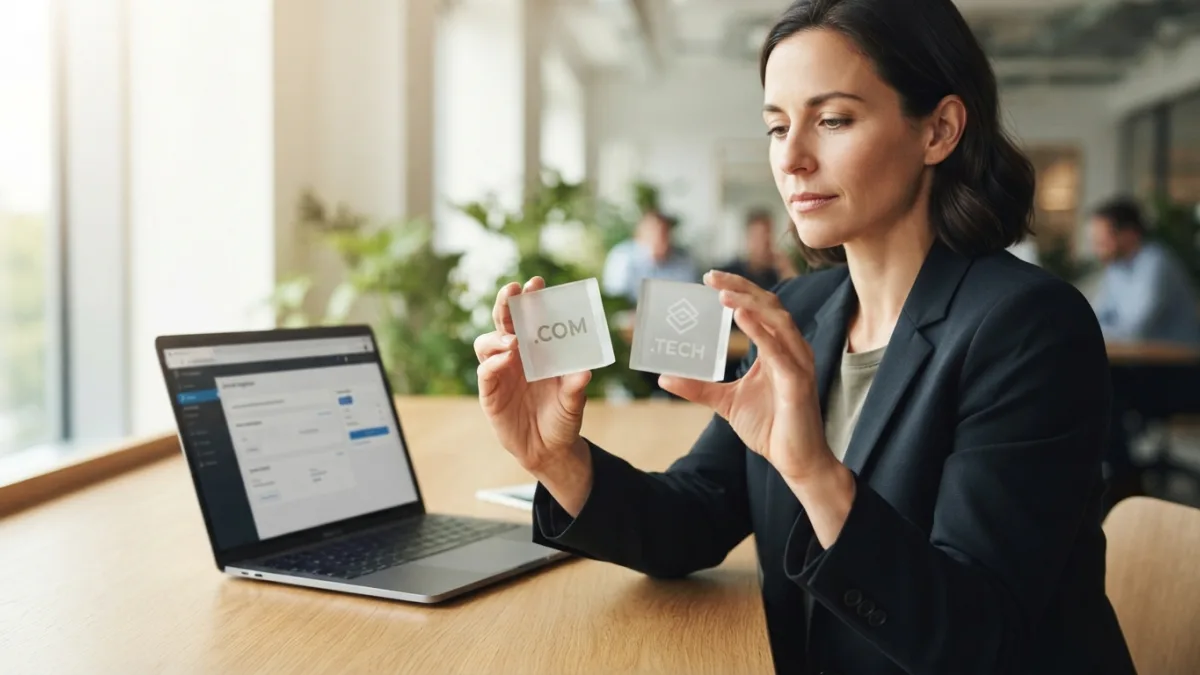
New TLDs keep multiplying, yet most of us still type .com out of habit. That habit raises a fair question for anyone starting a blog, shop, or startup: is the old favorite still the smart choice, or just the familiar one? Browse any online business directory and you’ll see both worlds. Big brands sit on .com, while newer projects wear endings like .app, .shop, or .xyz. Neither group is wrong. But your choice shapes how people find you, remember you, and trust you. It also changes what you pay every year. This guide breaks the decision into seven clear factors so you can pick with confidence instead of guessing. We’ll keep it practical and skip the hype.
What Are New TLDs, Exactly?
A top-level domain, or TLD, is the last part of a web address, like .com or .org. For years, only a small set existed. Then ICANN, the nonprofit that coordinates the internet’s naming system, opened the door to hundreds of additional endings. People usually call these new TLDs, or new generic top-level domains. You can learn more on the ICANN website and in Wikipedia’s overview of top-level domains. They include topic-based endings such as .tech, .shop, and .online. Country-based endings, such as .uk or .de, are a separate and older group. Each ending is run by a registry, and each registry sets its own rules and pricing. That detail matters more than most beginners expect, as you’ll see below. If you want to dig deeper, our guide on Choose a Domain Name: 10 Simple Rules for a Strong Brand covers this in more detail. This is a common part of dealing with new tlds, and it is worth keeping in mind.
7 Factors to Weigh Before You Pick
Factor 1: Domain Name Brand Trust
Many people still read .com as the default sign of a real business. Familiarity builds comfort. If someone hears your name on a podcast and types it into a browser, they will probably add .com without thinking. A newer ending can work well when the full address reads like a clever phrase, but unfamiliar endings make some visitors hesitate. That is especially true for people who worry about scams. Trust comes mainly from your design, reviews, clear contact details, and a secure site, not from letters after the dot. Still, .com gives you a head start. With new TLDs, you take on the extra job of proving you’re legitimate, and you may need to do it more often. Many people run into this exact issue with new tlds at some point.
Factor 2: Reality Check on .com Domain Availability
Here is the catch with the classic option. Short, simple, one-word names are almost always taken. You can still find a good .com, but it often takes compromise. You might add a verb, use a modifier, or buy the name from its current owner on the resale market, where prices vary wildly. Be careful with hyphens and odd spellings. They make your name harder to say out loud and easy to mistype. A newer ending can open up the exact name you want, sometimes in a shorter form. Before you decide, search your top five name ideas across several extensions. If the perfect name exists only on a new ending, that tells you something useful. Keeping new tlds in mind here will save you time later on.
Factor 3: Cheap Domain Extensions and Your Budget
Some of the most affordable cheap domain extensions come from the newer batch, and registrars often advertise first-year prices that look almost like freebies. For a side project, a test idea, or a short campaign, that can make sense. Money saved on the domain can go toward design or ads. But low prices come with trade-offs. Bargain endings are popular with spammers, and some email filters and security tools treat them with more suspicion. Ask yourself how long you plan to keep the site. A throwaway experiment needs a different domain than a business you hope to run for ten years. Also remember that the first-year price is only the opening move, which brings us to the next factor. This detail matters more than it seems once new tlds comes up again.
Factor 4: Domain Name Renewal Prices
Always read the renewal line, not just the big promotional number. Many registrars discount the first year, then charge a much higher rate when the domain renews. With new TLDs, that gap can be dramatic. Some registries also mark certain short or catchy names as premium, which means higher prices at purchase and sometimes at renewal. Before you buy, open the registrar’s pricing page and find the yearly renewal cost for your exact extension. Then multiply it by five and compare. That simple check can flip the winner. Domain fees are small next to most business costs, but a surprise bill is still annoying. Set a calendar reminder and turn on auto-renew so you never lose your name by accident. This connects closely with another common issue — see Sell a Domain Name: 7 Proven Steps for the Best Price for more on that. It is one of those small things that makes new tlds easier to manage overall.
Factor 5: Domain Extension SEO Impact
This is the factor people argue about most. Search engines care about useful content, quality links, speed, and a good experience. Google has said publicly that it treats most new generic extensions like .com, with no built-in ranking advantage or penalty. You can check its guidance on Google Search Central. So the direct domain extension seo impact is small. The indirect effect is more real. If people trust and remember your address, they click it, share it, and search for your brand by name. Those habits help over time. A forgettable or suspicious-looking address can quietly hurt them. Pick the ending that fits your audience, then spend your energy on content and links. New TLDs won’t rescue weak pages. This is a common part of dealing with new tlds, and it is worth keeping in mind.
Factor 6: The Best New Domain Extensions for Different Projects
The best new domain extensions are the ones that match what you do and are easy to say aloud. A few common matches: Many people run into this exact issue with new tlds at some point.
- .app and .dev: popular with software makers. Both are run by Google Registry and require secure HTTPS connections.
- .shop and .store: clear signals for online retail.
- .tech: suits startups and gadget blogs.
- .online and .site: flexible and general, though less distinctive.
Skip endings that people can’t spell or that sound unrelated to your work. If you have to explain your address every time, it is costing you visitors. Keeping new tlds in mind here will save you time later on.
Factor 7: Country Code Domains and Local Reach
Country code domains, such as .uk, .de, .ca, or .in, tell visitors and search engines that you serve a specific place. For a local bakery, a regional law firm, or a national retailer, that signal can be a real advantage. Search engines generally use these endings as a hint for which country a site targets, which helps locally but can limit global reach. Rules differ by country. Some require a local address or business registration, while others are open to anyone. A few country endings, like .io and .co, have become startup favorites far beyond their home countries. They are still tied to national registries, so policies and prices can change. Check the terms before you build a brand on one. You might also find our article on Brandable vs Keyword Domains: 7 Tips to Choose the Best helpful here. This detail matters more than it seems once new tlds comes up again.
How to Decide: A Simple Path to Choosing a Domain Name
When you’re choosing a domain name, work through it in order and let your goals break any tie: It is one of those small things that makes new tlds easier to manage overall.
- Write down your audience: global, national, or local.
- Shortlist three to five names that are short, clear, and easy to spell.
- Check each name across .com, a fitting new ending, and a country ending if it applies.
- Compare five-year costs, including renewals.
- Say each address out loud to a friend, then ask them to type it.
The table below sums up the trade-offs at a glance.
| Option | Best for | Main risk |
|---|---|---|
| .com | Global brands and broad audiences | Good names are often taken |
| New TLDs | Niche projects, startups, creative names | Lower recognition and higher renewal costs |
| Country code endings | Local and national businesses | Possible residency rules and limited global appeal |
The Bottom Line: Is .com Still Worth It?
Yes, for most businesses that want broad reach, .com remains the safest bet. People recognize it, type it by reflex, and rarely question it. But “safest” does not mean “only.” New TLDs can be a smart fit when your ideal name is taken, your project is niche, or your brand has a clever twist that the ending completes. Country endings shine when you serve a local market. If you can afford it, buy your main name on the ending you choose and consider grabbing the .com too, so nobody else can borrow your traffic. Weigh the seven factors, check the real renewal costs, and pick the address you’d be proud to put on a business card.
FAQ
Is .com still better than new TLDs?
For broad, global audiences, .com is still the most familiar and trusted option. For niche projects or when your ideal name is taken, a well-chosen newer ending can work just as well. For a related walkthrough, check out Domain Extensions Explained: 7 Easy Tips to Choose.
Do new TLDs hurt my Google rankings?
Google has said it treats most new generic extensions like .com for ranking. Your content, links, and site quality matter far more than the ending.
Are new TLDs more expensive in the long run?
Sometimes. Many have low first-year prices but higher renewal fees, and premium names cost more. Always check the yearly renewal price before you buy.
Should I buy both a .com and a new extension?
If your budget allows, yes. Owning both protects your brand from lookalike addresses. You can point the extra domain to your main site.
When should I use a country code domain?
Use one when your customers are mostly in a single country and you want to show that local focus. Check any residency or registration rules first.